Deciding Whether to Have a Child: Making Peace with the Ambivalence
Torn about whether to have a baby? Dr Sangeetha Makielan, a Sydney women's mental health psychiatrist, offers a reflective, non-directive guide to the emotional and identity questions underneath the decision.
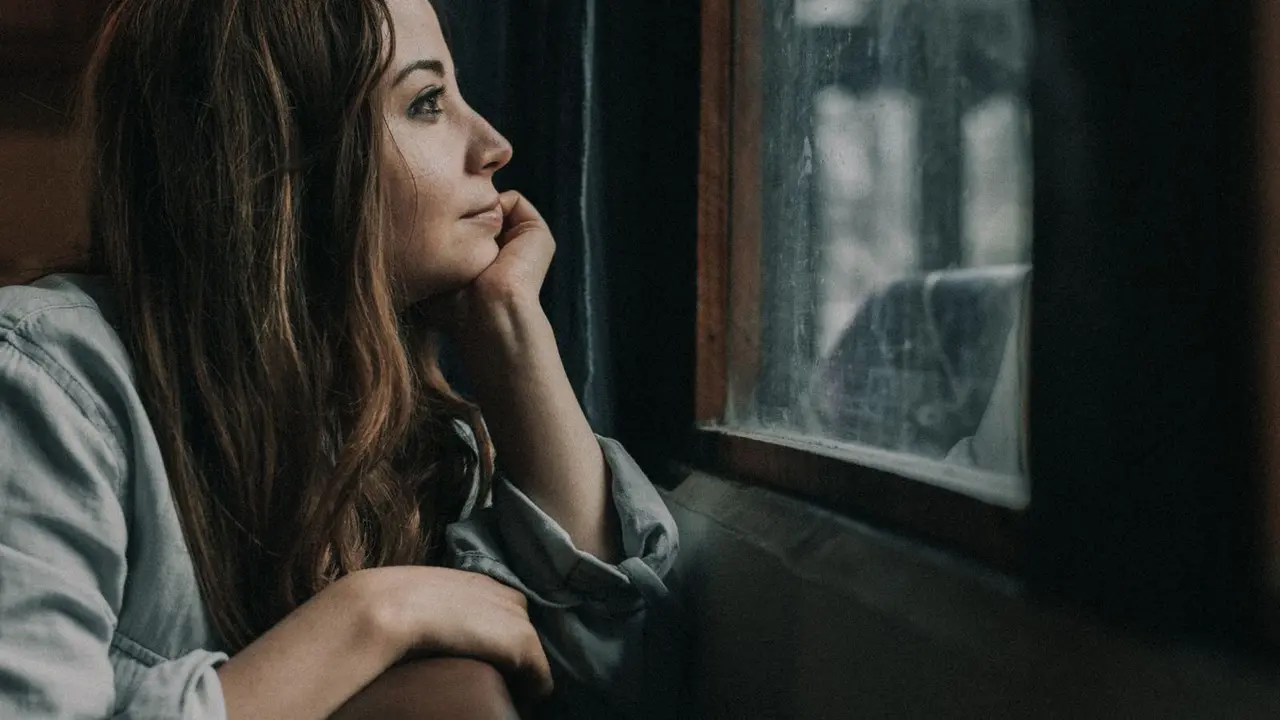
If you find yourself circling the same question for months or even years, wanting a child on some days and feeling relieved at the thought of not having one on others, you are not indecisive and there is nothing wrong with you. Deciding whether to have a baby is one of the few choices in a woman’s life that cannot be undone, cannot be fully rehearsed, and cannot be settled by anyone else. It touches almost everything you value, which is precisely why it so rarely resolves into a tidy yes or no. This piece is written to support your reflection, not to steer you toward a particular answer, because the aim is not to reach the decision that looks right from the outside but the one that feels most deeply your own.
It is not only a practical question
Much of the advice that reaches women about parenthood is practical, concerned with timing, finances, fertility and logistics. Those things matter, but they are rarely what keeps a person awake at night. Underneath the practical question of whether to have a child sits a quieter and much larger one about what kind of life feels true to you, and about who you are apart from what other people expect you to become. Women ask themselves “Do I want a baby?” and, almost in the same breath, “What sort of life do I actually want, and would this decision move me toward it or away from it?”
Held at that depth, ambivalence stops looking like a problem to be fixed. It is possible to want a child and to fear the changes a child would bring, and both feelings can be true at once. It is equally possible to feel relief at the thought of not having children and, alongside it, a quiet grief for what that path might close off. Mixed feelings are not a sign that you have chosen badly or that you are somehow deficient in maternal instinct. They are usually a sign that the decision genuinely matters.
Why it can feel so intense
If this choice feels heavier than almost any other you have faced, that is because it touches so many of the deepest currents in a life at the same time. It reaches into your sense of identity and what adulthood means to you. It sits at the meeting point of freedom and responsibility, and it draws in your career, your partnership, your finances and your health. It raises questions about your body and the changes a pregnancy would bring. It stirs up family expectations and cultural pressure, sometimes spoken and sometimes simply absorbed. And it reaches back into your own memories of being parented, and forward into a fear of regret, of loss, or of quietly closing off a version of your future you can no longer choose.
This is why a pros-and-cons list, however carefully drawn up, so often fails to settle anything. The columns can come out even and the feeling underneath remains unresolved, because the decision is rarely about the individual items on the list. It is about what motherhood, or a life without children, seems to mean for the particular woman you are.
The inner conflicts that so often surface
When women speak honestly about this decision, a recognisable set of tensions tends to emerge, and it can be steadying simply to see them named. There is the wish to nurture set against the wish to protect your own independence. There is a longing for family alongside a fear of losing yourself inside a role. There is the pressure to become a mother pulling against a genuine uncertainty about whether that desire is truly your own or something you have inherited. There is the fear of missing out on the experience of raising a child, and, running the other way, the fear of stepping into a life that does not fit you. And for many women there is the hope of creating a warmer, different family story than the one they grew up in, shadowed by a fear of repeating patterns that caused them pain.
None of these tensions means that something is broken in you. More often they mean the opposite, that you are taking the decision as seriously as it deserves. A choice that stirred up nothing at all would be the more surprising thing.
A few things worth remembering
As you sit with all of this, a handful of gentler truths can take some of the pressure out of the question.
You do not need to become a mother in order to be complete, and a rich, meaningful and generative life is entirely possible without children. Equally, you do not need to reject motherhood in order to prove that you are independent or serious about your own life; choosing a child is not a surrender of yourself. Ambivalence, as we have seen, is not a warning light but a normal companion to any meaningful decision. Every real choice, whichever way it falls, involves both a gain and a loss, and expecting to find an option with no cost at all only prolongs the ache. And perhaps most usefully of all, a decision you have arrived at consciously, having looked honestly at your own hopes and fears, is almost always easier to live with than one you drifted into through pressure, panic or sheer momentum. The goal is not certainty, which this question may never fully offer, but a choice you can recognise as yours.
Questions to sit with
Rather than trying to argue yourself toward an answer, it can help to sit quietly with a few open questions and notice what genuinely rises in response. There are no correct answers here, and it is worth resisting the urge to tidy up whatever comes. You might return to these over several weeks, perhaps writing your responses down, and watch for what stays consistent and what shifts.
- When I imagine having a child, what feels warm, alive or meaningful? And what feels heavy, frightening or unwanted?
- When I imagine not having a child, what feels peaceful, spacious or right? And what feels sad, painful or unfinished?
- Which parts of my thinking sound like my own voice, and which sound like my family, my culture, my religion or wider social expectation?
- What did I learn, growing up, about women, motherhood, duty, sacrifice and freedom, and how much of that do I still believe?
- Am I moving toward a choice that fits me, or away from a fear I would rather not face?
That last question is often the most revealing. A decision made to move toward the life you want tends to settle differently, and more durably, than one made mainly to escape something you are afraid of.
Using this reflection
The point of all of this is not to hurry you to a conclusion but to help you reach a decision that is more honest, more considered and more genuinely aligned with your own values, whichever way it turns out. A full and meaningful life is possible on either side of this question. What matters most is not the path that looks correct to other people, but the one that, after honest reflection, feels most deeply and recognisably your own.
This article is general information rather than personal advice, and if this decision is weighing heavily on you or affecting your wellbeing, please talk it through with your GP or a mental health professional who knows your situation.
Women’s mental health care with Dr Sangeetha Makielan
Dr Sangeetha Makielan is a Sydney psychiatrist with a focus on women’s mental health across the lifespan, including the reproductive and identity decisions that so often carry more emotional weight than they are given credit for. Working in a reflective, non-directive way, sometimes drawing on the types of psychotherapy that help a person hear their own voice more clearly beneath the expectations of others, she supports women in reaching choices that fit their own lives rather than anyone else’s.
Whatever you decide, you deserve to arrive at it with clarity and self-compassion, and you do not have to work through it entirely alone.
← All blog posts